Overhead Power Line Cable Splicing Techniques Challenges and Best Practices
Introduction Overhead power lines play a crucial role in transmitting electricity across long distances, delivering power from generation plants to homes, businesses, and industries. These power lines consist of various components, including conductors, insulators, and support structures. One essential aspect of maintaining overhead power lines is cable splicing, a process that involves connecting two or more cables to ensure the continuous flow of electricity. In this article, we will delve into the techniques, challenges, and best practices associated with overhead power line cable splicing. Overview of Overhead Power Line Cable Splicing Cable splicing is a critical process in the construction, maintenance, and repair of overhead power lines. Splicing involves joining two or more electrical cables to create a continuous electrical circuit. In the context of overhead power lines, cable splicing is typically performed when extending existing lines, repairing damaged cables, or upgrading the infrastructure to accommodate higher power loads. The primary objective of cable splicing is to establish a secure and reliable connection between cables, ensuring the uninterrupted flow of electricity. Proper splicing is essential for maintaining the integrity of the power distribution system and preventing power outages and safety hazards. Techniques for Overhead Power Line Cable Splicing Several techniques are used for splicing overhead power line cables, depending on factors such as the type of cable, conductor material, voltage rating, and environmental conditions. The following are some common techniques employed in overhead power line cable splicing: 1. Mechanical Splicing: Mechanical splicing involves joining two cable ends using specialized connectors, clamps, or fittings. This method is relatively quick and easy to perform, making it suitable for temporary repairs or emergency situations. However, mechanical splices may not provide the same level of electrical conductivity and longevity as other splicing methods. 2. Compression Splicing: Compression splicing is a popular method for joining aluminum or copper conductors in overhead power lines. This technique involves using compression sleeves or connectors to secure the cable ends together. Compression splices offer excellent electrical conductivity and mechanical strength, making them ideal for long-term connections. 3. Soldering: Soldering is a traditional splicing method that involves melting solder to create a permanent bond between cable ends. While soldering provides Ruggedized rubber sheathed cables , it requires skill and precision to ensure proper alignment and solder flow. Soldered splices are commonly used in low-voltage applications or where mechanical splicing is not feasible. 4. Welding: Welding is a robust splicing technique that involves fusing cable ends together using heat and pressure. Various welding methods, such as exothermic welding and resistance welding, can be employed depending on the cable material and application requirements. Welded splices offer high conductivity and durability, making them suitable for high-voltage power lines. Challenges in Overhead Power Line Cable Splicing Despite the importance of cable splicing in maintaining overhead power lines, several challenges can arise during the splicing process. These challenges can impact the performance, reliability, and safety of the power distribution system. Some common challenges in overhead power line cable splicing include: 1. Environmental Factors: Overhead power lines are exposed to various environmental conditions, such as temperature fluctuations, humidity, wind, and corrosive elements. These factors can affect the integrity of splices, leading to premature failure and service interruptions. Proper selection of splicing materials and techniques is essential to withstand environmental challenges. 2. Accessibility: Splicing overhead power lines often requires working at heights or in remote locations, posing logistical challenges for maintenance crews. Ensuring safe access to the splicing site and providing adequate equipment and tools are crucial for completing splicing tasks efficiently and securely. 3. Compatibility: Different types of cables, conductors, and insulation materials are used in overhead power lines, requiring careful consideration of compatibility during splicing. Incompatible materials can lead to galvanic corrosion, overheating, or insulation breakdown, compromising the overall performance of the power line. 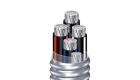 4. Safety Hazards: Cable splicing involves working with high-voltage electricity, presenting inherent safety risks to personnel performing the splicing tasks. Proper training, personal protective equipment, and adherence to safety protocols are essential to prevent electric shocks, arc flashes, and other accidents during splicing operations. Best Practices for Overhead Power Line Cable Splicing To ensure the successful completion of overhead power line cable splicing and mitigate potential challenges, it is essential to follow best practices and guidelines. The following are some recommended best practices for performing cable splicing in overhead power lines: 1. Conduct a Thorough Inspection: Before initiating the splicing process, conduct a comprehensive inspection of the cable ends, connectors, and surrounding components to identify any damage, wear, or defects that may affect the splicing operation. Addressing issues early can prevent further complications during splicing. 2. Use High-Quality Materials: Selecting high-quality splicing materials, such as connectors, sleeves, and insulating compounds, is crucial for achieving reliable and durable splices. Ensure that the materials are compatible with the cable type, voltage rating, and environmental conditions to maximize the longevity of the splices. 3. Follow Manufacturer Guidelines: Adhere to the manufacturer's recommendations and specifications for cable splicing equipment and materials. Improper installation or use of non-compliant components can compromise the integrity of the splices and lead to performance issues. 4. Maintain Proper Documentation: Keep detailed records of the splicing procedures, materials used, testing results, and any deviations from standard practices. Documentation is essential for tracking the maintenance history of the power line and ensuring compliance with regulatory requirements. 5. Perform Testing and Inspection: After completing the splicing operation, conduct electrical testing, insulation resistance tests, and visual inspections to verify the integrity and functionality of the splices. Regular testing and maintenance are essential for detecting potential issues early and preventing costly repairs or outages. 6. Ensure Safety Measures: Prioritize safety during cable splicing activities by following industry best practices, using appropriate personal protective equipment, and implementing safety protocols such as lockout-tagout procedures and safe work practices. Training personnel on electrical safety and emergency response is essential for preventing accidents and injuries. Conclusion Overhead power line cable splicing is a critical process that ensures the reliable transmission of electricity across the power distribution network. By employing proper techniques, addressing challenges, and following best practices, utility companies and maintenance crews can maintain the integrity and performance of overhead power lines. Adherence to safety protocols, selection of high-quality materials, and thorough testing are essential components of successful cable splicing operations. As technology advances and infrastructure evolves, staying informed about the latest splicing techniques and industry standards is crucial for optimizing the efficiency and resilience of overhead power line systems.